

High North, High Tension
The Arctic’s Thaw Ushers in a New Era of Rivalry

In the predawn chill of August 2023, a swarm of Ukrainian drones pierced the Arctic sky, zeroing in on a remote Russian air base inside the polar circle. The attack, a pinpoint strike amid the vast white expanse, wasn’t just a tactical feint—it was the first crack in the ice of a long-held illusion. For generations, the Arctic had been the world’s quiet outlier, a frozen frontier where old enemies set aside their grudges to chart maps and monitor wildlife.
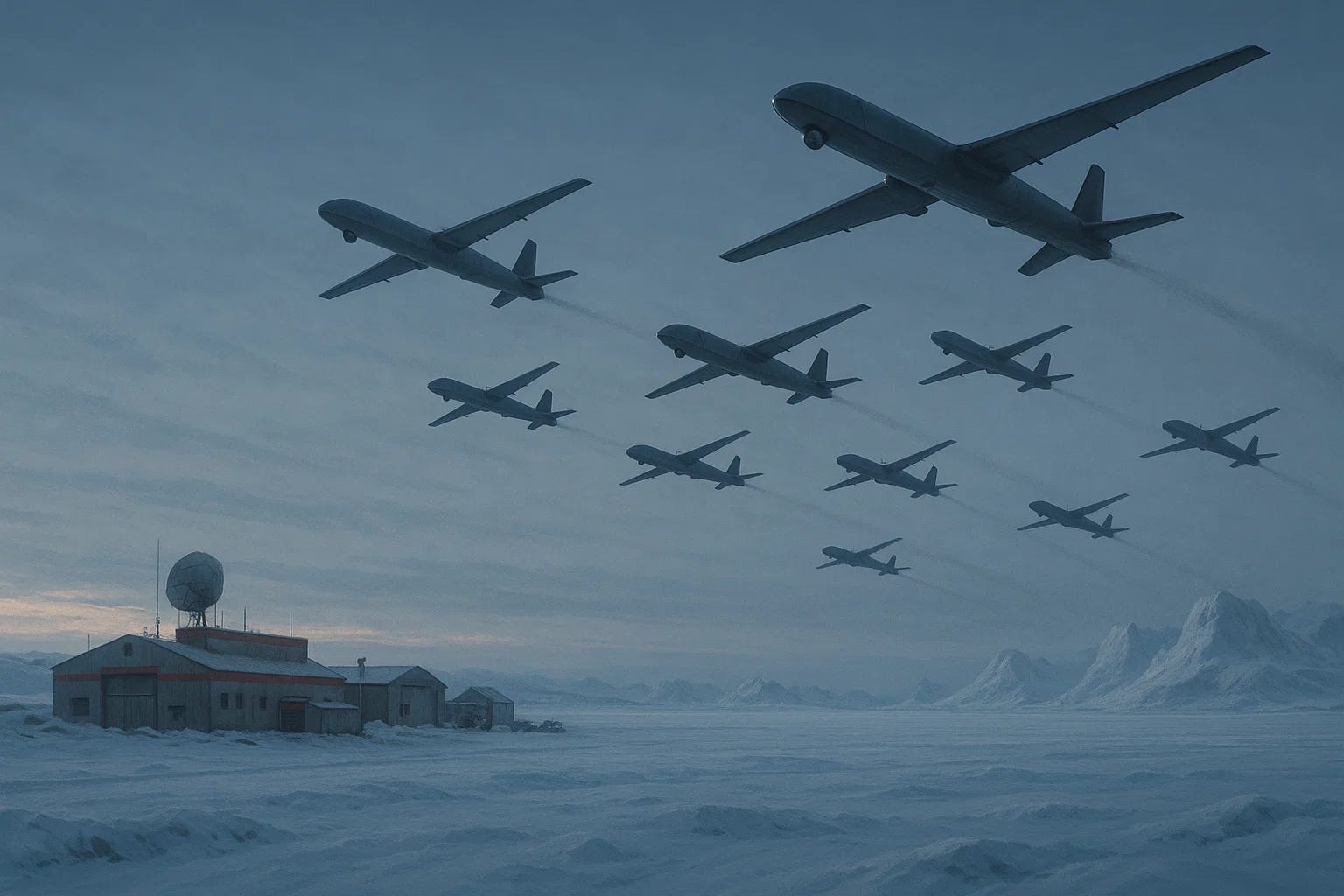
But that strike signaled a deeper fracture, echoing the thunder of Russia’s invasion of Ukraine the year before. The region, once a model of uneasy harmony, now pulses with the same fault lines that divide the globe: resource hunger, power plays, and the relentless grind of a warming planet.
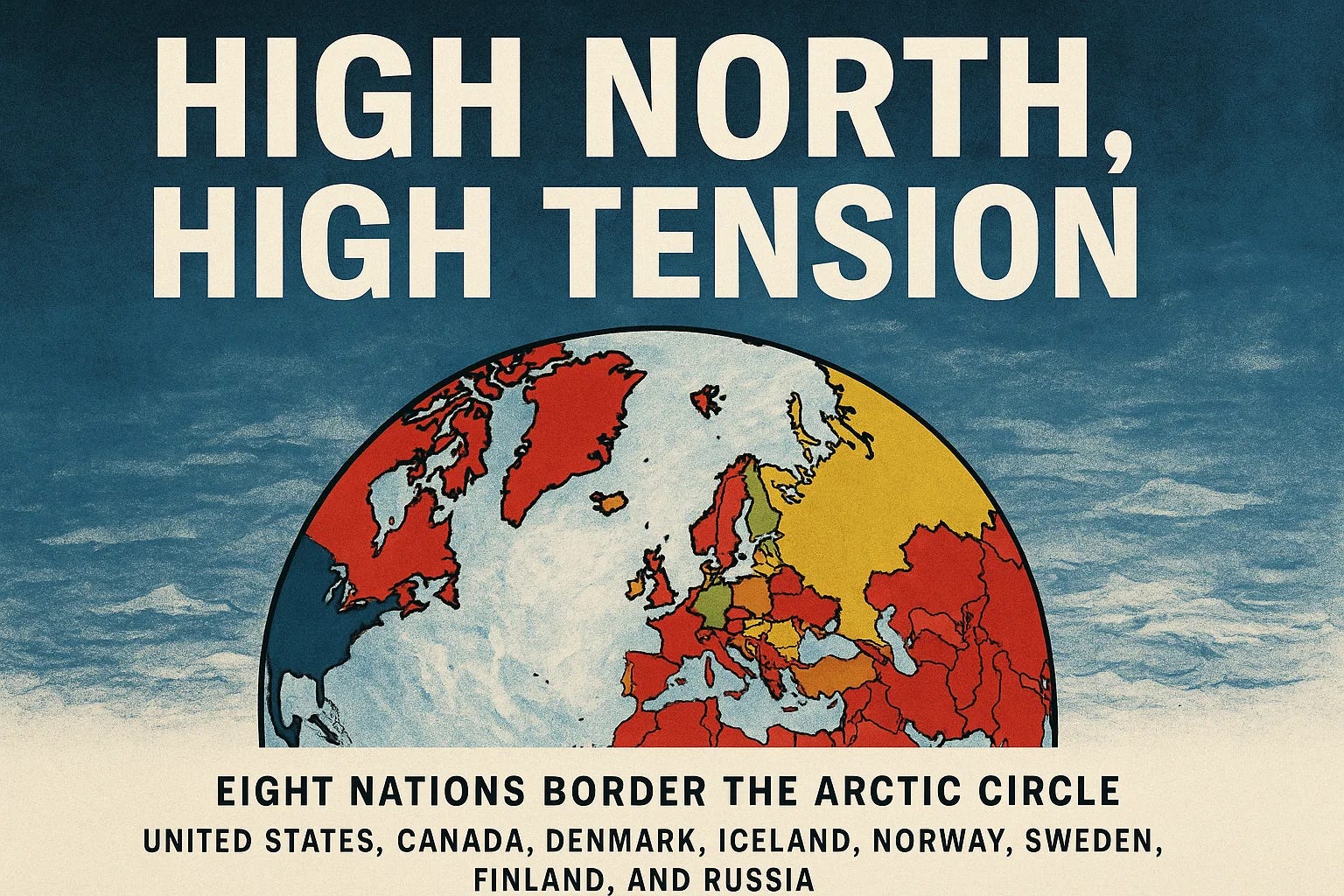
The shift feels almost biblical in its swiftness. Fifteen years ago, diplomats coined the phrase “high north, low tension” to capture the Arctic’s rare détente. Today, that slogan has curdled into “high north, high tension,” as major powers scramble to stake claims in a landscape that’s melting faster than anywhere else on Earth. Eight nations border the Arctic Circle—the United States, Canada, Denmark (through Greenland), Iceland, Norway, Sweden, Finland, and Russia—and they’ve all released formal strategies in recent years, turning eyes northward to bolster their global footing.
What unfolds here doesn’t stay here; the ripples from these icy waters will reshape trade routes, energy markets, and alliances for decades.
